I want the famous Paris museum moment
Anchor the day at the Louvre, but keep the visit focused: the Winged Victory of Samothrace, Venus de Milo and the Mona Lisa. Add Orangerie only if you still have energy.
Paris museum guide
Paris has too many good museums for a generic checklist. This guide helps first-time visitors, art beginners, and anyone with one day in Paris decide whether to anchor the trip at the Louvre, Musée d'Orsay, or Musée de l'Orangerie, then build a calmer route around a few strong stops instead of a rushed marathon.
Choose your museum day
If it is your first museum day in Paris, use this first on mobile: pick the situation that sounds most like your group, then jump into the museum or artwork guide that gives the clearest next step.
Anchor the day at the Louvre, but keep the visit focused: the Winged Victory of Samothrace, Venus de Milo and the Mona Lisa. Add Orangerie only if you still have energy.
Start with the Musée d'Orsay guide. It gives the cleanest story for Impressionism, modern Paris and famous artists without the Louvre’s scale.
Choose Orangerie for Monet’s oval rooms and read the Monet Water Lilies guide before you go. This is the easiest add-on after Orsay or a Tuileries walk.
Prefer Rodin’s garden, Petit Palais, or a short Orangerie stop. Avoid stacking Louvre and Orsay as full visits; one memorable room beats two exhausted queues.
Do not default to the Louvre or Orangerie on Tuesday: both are normally closed. Check the official page first, then look at Orsay, Rodin, Petit Palais, Picasso or quai Branly as safer Tuesday anchors.
Use a museum with a confirmed evening opening as the anchor and keep the daytime lighter. Orsay’s Thursday late opening and the Louvre’s Wednesday/Friday late openings can work well, but verify the current official schedule before building dinner or train plans around them.
These cards are designed for quick decisions: choose the museum, then open the linked guide when you need a room-level or artwork-level plan.
Best for a first Paris landmark day when palace scale, ancient sculpture and the Mona Lisa are part of the dream.
Best for art beginners who want a readable story: Impressionism, modern Paris, a railway-station building and famous names without the Louvre’s size.
Best for a short, memorable Impressionist finish after Orsay, a Tuileries walk, or a morning Louvre route that needs a softer ending.
Best for families, sculpture fans and visitors who want air, seats and a slower pace between heavier museum days.
Best only when you are following a specific off-site Pompidou program; the Beaubourg building is not a normal first-visit stop during renovation.
The densest classic-art zone in central Paris. Best when you want one iconic museum plus one quieter second stop.
Better for shorter visits, contemporary energy, and walkable breaks between museum time and city time.
Strong sculpture, garden space, and a less overwhelming pace than the biggest institutions.
If this is your first Paris museum day, start with the central Louvre–Tuileries–Orsay cluster. The museums are close enough to combine with a walk, but different enough that the right anchor changes the whole day. Use the table below before buying timed tickets.
| Visitor need | Best anchor | Why it works | Best next link |
|---|---|---|---|
| Art beginner | Musée d'Orsay | A readable 1848–1914 story, Impressionism, famous names and a manageable building. | Orsay first-time guide |
| First-time landmark trip | Louvre | Best when the palace, ancient sculpture and the Mona Lisa are non-negotiable. | Louvre route + Mona Lisa context |
| Impressionism | Orsay → Orangerie | Orsay gives the movement’s arc; Orangerie gives Monet’s late Water Lilies as a calm finish. | Water Lilies guide |
| Family / low energy | Rodin or Orangerie | Shorter loops, garden breaks and one clear highlight reduce museum fatigue. | Use this page’s route chooser before committing to a timed ticket. |
| Modern art plan | Pompidou only if program-specific | The Beaubourg building is closed during renovation, so Rodin, Picasso or partner venues are safer defaults. | Check the Pompidou renovation note in the shortlist below. |
| Time budget | 1h Orangerie / 2h Orsay / 3h Louvre or Orsay | Match the building to your remaining attention instead of forcing the biggest museum into too little time. | Jump to the 1h, 2h, 3h and one-day route. |
Choose the Louvre when the trip would feel incomplete without the Mona Lisa, Venus de Milo, Winged Victory, Egyptian antiquities, or the palace itself. It is the strongest landmark choice, but also the easiest place to over-plan. First-timers should pick one wing or one timed route, then leave before museum fatigue turns the visit into corridors.
Choose Orsay if you want a clearer story in less time: a former railway station, Impressionism, Van Gogh, Monet, Degas, Manet and a 1848–1914 arc that beginners can follow. It is often the better first museum for visitors who want to understand what they see, not only recognize names.
Choose Orangerie when you have 60–90 minutes or want Monet's Water Lilies without committing to another large institution. It works especially well after Orsay, a Tuileries walk, or a morning Louvre route that ends before lunch.
Landmark-first trip: Louvre. Art-beginner trip: Orsay. Low-energy second stop: Orangerie. One-day classic route: Orsay → Tuileries → Orangerie, or Louvre → Tuileries → Orangerie if the Mona Lisa is non-negotiable.
Do not try to "cover Paris museums." Pick one anchor museum in the morning, lunch nearby, and one smaller or lighter museum in the afternoon.
The most reliable first-day pairing is Louvre or Orsay plus Orangerie or a walk through the Tuileries.
Skip stacking the biggest names back to back. Choose Rodin, Petit Palais, or Picasso and give yourself time to sit, listen, and move slowly.
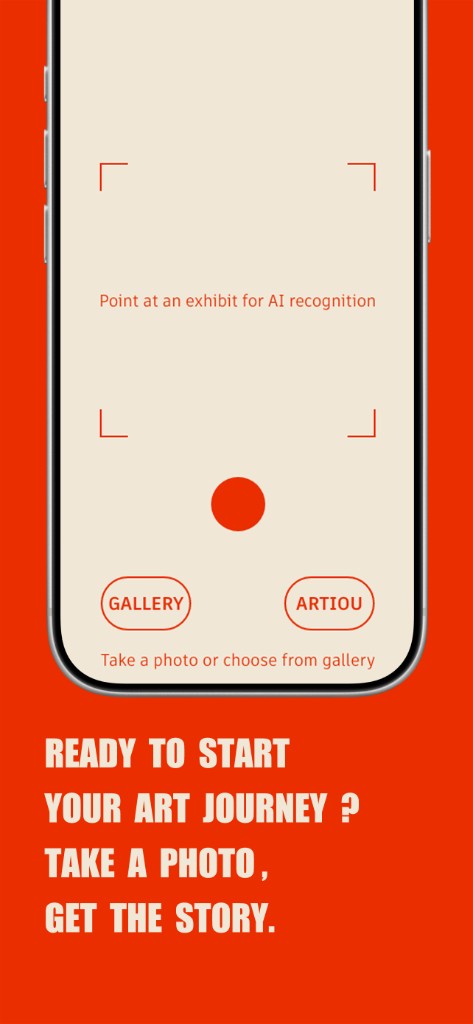
That rhythm fits Artiou better too: fewer rushed photos, better recognition, and more time with each work.
The best Paris museum is not always the biggest one. Use these quick filters to match your time, travel group, budget and art confidence before you book tickets.
Start with Musée d'Orsay if you want a strong first Paris art experience without the scale of the Louvre. Choose Musée du Louvre when seeing the Mona Lisa, ancient sculpture and the palace itself is the main goal.
Add Musée de l'Orangerie for Monet's Water Lilies when you only have another 60–90 minutes.
For a lower-cost day, check Petit Palais and City of Paris museums with free permanent collections. They are useful second stops because you can leave when your energy drops without feeling you wasted a timed ticket.
Orsay, Orangerie and Rodin are easier for beginners than a full Louvre day: the buildings are memorable, the highlights are readable, and the visit can stay under three hours. Use Artiou when a label is short or only names the artist and date.
With kids, favor shorter loops, gardens and one clear highlight: Rodin's garden, Orangerie's oval rooms, or a focused Louvre treasure hunt. For evening plans, verify each museum's current late-opening day on the official site before building dinner around it.
Best for Orangerie or a focused Louvre stop. Choose one promise: Monet's Water Lilies, the Mona Lisa plus Salle des États, or a single sculpture room. If the Orangerie is your anchor, use the Water Lilies rooms as the calm endpoint rather than adding a second large museum.
At Orsay, follow the Impressionist rooms, the clock view and one sculpture pause. At the Louvre, use a first-time route around the Winged Victory, Mona Lisa, Venus de Milo and one palace interior.
Three hours is enough for Orsay at a humane pace or the Louvre with a strict highlights route. If you want an Impressionist pairing, save the final reset for the Tuileries and the Orangerie so Monet's late Water Lilies feel like a slow-looking finish rather than another checklist stop.
This is the calmest classic-art day for most visitors. It keeps walking time low, gives you Impressionism and Monet, and leaves space for lunch. Swap in the Louvre as the morning anchor only if palace scale and landmark works are the priority.
Updated May 30, 2026. Sources to re-check before visiting: official museum opening pages, Paris Musées collection access notes, and each museum's ticketing page. For deeper planning, use the Louvre first-time visitor guide, the Musée d'Orsay guide, the Mona Lisa guide, and the Monet Water Lilies guide.
Opening-day notes below were checked against official museum websites on May 11, 2026. Always confirm the official page before you go, especially on holidays and exhibition-change weeks.
The obvious first pick for scale and canonical works, but only worth it if you accept that you cannot see everything.
Official hours and admissionThe easiest major museum to love in one visit: strong Impressionism, manageable circulation, and a great central location.
Official visit informationSmaller, softer, and ideal after Orsay or the Louvre. Monet's Water Lilies make sense when you do not want another huge institution.
Official opening timesOne of the best museums in Paris when you want sculpture, air, and a slower tempo without sacrificing quality.
Official visitor pageA strong option when you want one major artist in depth and a neighborhood that still feels lively after the museum.
Official opening times and accessOften underchosen by visitors, which is exactly why it works. Beautiful building, central location, and low pressure.
Official museum pageUseful when you want a museum day that continues into the evening and a collection outside the standard Paris canon.
Official opening timesThe Beaubourg building is not a normal museum stop right now. The institution is operating through partner venues during its renovation cycle.
Official renovation project pageTreat this as planning logic, not live status. Paris museums change hours for holidays, strikes, special exhibitions and private events, so always confirm on the official museum site before you buy tickets or leave the hotel.
Tuesday is the day to be careful: the Louvre and Orangerie are normally closed, while Orsay, Rodin, Picasso, Petit Palais and quai Branly are commonly better candidates. If Tuesday is your only museum day, start with an open-Tuesday anchor like Musée d'Orsay and keep a smaller backup nearby.
A late opening is best for one focused museum, not for adding a third full visit. Use the Louvre late night when you specifically want a palace-and-masterpieces route, or Orsay’s late night when you want Impressionism after a lighter daytime plan. Confirm the current weekday and last-entry rules on the official page.
Published hours do not guarantee every room is open, and ticket slots can sell out before the building closes. For a relaxed day, assume the last hour is weaker for orientation and choose a route you can finish before last admission.
If your first-choice museum is closed, do not replace it with another huge museum automatically. Switch to Orsay for a clear art story, Rodin/Petit Palais for lower fatigue, or Orangerie on a non-Tuesday short-visit day focused on Monet’s Water Lilies.
This route is for visitors whose Paris day would feel incomplete without the Louvre. Keep the afternoon optional; the goal is one good Louvre memory, not finishing a map.
This is the best route for art beginners who want Impressionism, Van Gogh, Degas and modern Paris to make sense in one day.
This route is strongest when you have 60–90 minutes, want a gentle second stop after Orsay, or need one memorable artwork experience without another large museum.
Artiou is most useful when the museum gives you too little context, too much context, or context in the wrong language.
It is not a replacement for curators or official wall text. It is a practical companion when you want to stay with a work longer without reading everything in the room.
Two giant institutions in one day usually turns art into logistics. One major museum is enough.
Monday and Tuesday closures catch people constantly. Build the day around what is actually open.
The best museum for your trip is the one that matches your time, energy, and neighborhood plan.
Choose Orsay if you want the best balance of quality, pacing, and manageable scale. Choose the Louvre if the landmark factor matters more than ease.
Orsay plus Orangerie is the cleanest pairing. They are geographically coherent and emotionally easier than stacking two huge museums.
Yes. Petit Palais and several City of Paris museums keep permanent collections free, which makes them excellent second-stop choices.
No, not as a default Beaubourg museum stop. Its historic building is closed during the renovation cycle, so only include it if you are targeting a specific off-site program.
Orsay is the safest first choice for most visitors because it is central, rich in famous works and easier to pace than the Louvre. Choose the Louvre first if palace scale and iconic masterpieces matter most.
Choose the Louvre if the landmark works and palace scale are the main reason for the visit. Choose Orsay if you want a more beginner-friendly art story, a shorter visit and a clearer route through Impressionism and modern Paris.
Do not try to do all three as full visits. Pick the Louvre or Orsay as the anchor, use the Tuileries as a break, then add Orangerie only as a short Monet-focused second stop.
Many major museums open around 9:00 or 10:00 a.m. and close around 6:00 p.m., with selected late-opening nights. Use this page for planning patterns, then confirm current hours, last entry, holiday changes and room closures on the official museum site.
Tuesday is not a universal museum day in Paris: the Louvre and Orangerie are normally closed, while Orsay, Rodin, Petit Palais, Picasso and quai Branly are commonly better Tuesday options. Check the official page before you go.
Musée d'Orsay, Rodin, Petit Palais, Picasso and quai Branly commonly close on Monday, while the Louvre and Orangerie are normally better Monday candidates. These are recurring patterns, not a live opening-time database: verify the museum's official hours, last entry and holiday exceptions before you commit to a route.
Plan about 60–90 minutes for Orangerie, 2–3 hours for Orsay, and 2–3 focused hours for a first Louvre highlights route. Longer is possible, but first-time visitors usually remember more when they leave before fatigue takes over.
Use Artiou to scan artworks, hear narration in Chinese, English, or French, and keep the pieces you want to revisit after the trip.
Android rollout is still limited. Check the site and in-app notices for the latest availability.