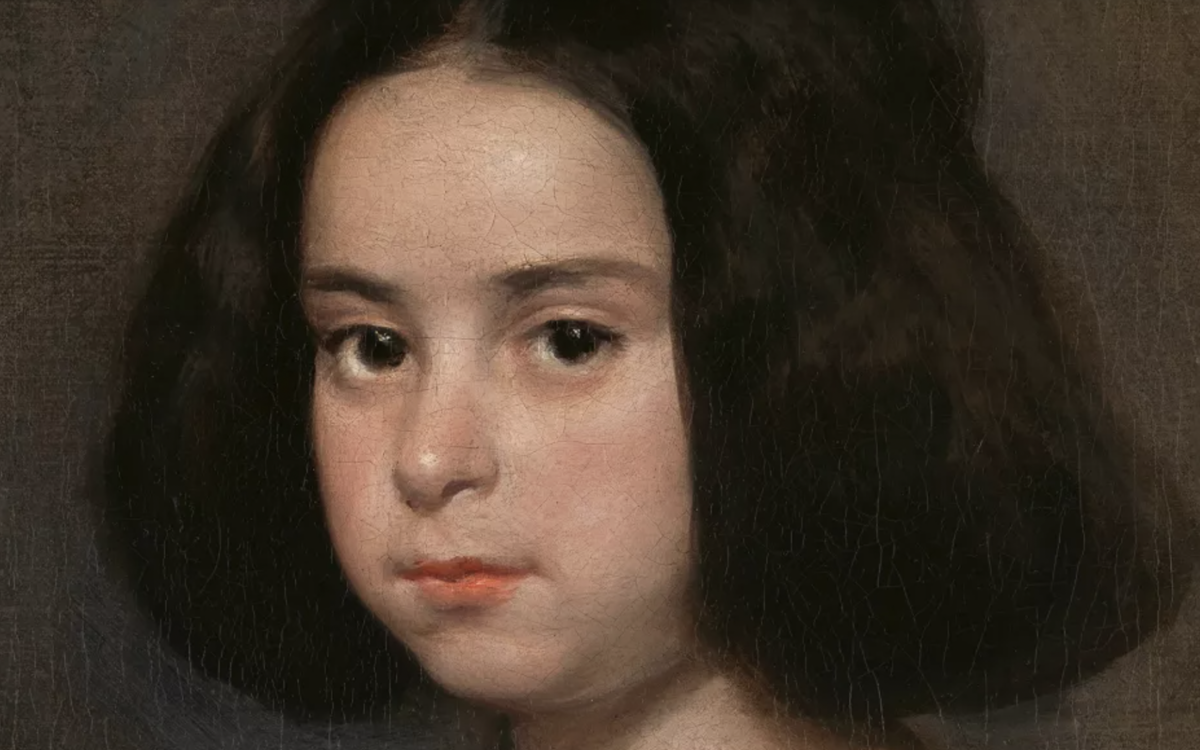
Exhibition guide
In spring 2026, the Jacquemart-André Museum, in collaboration with the Hispanic Society of America (New York), will highlight Hispanic Baroque art. It will offer you the opportunity to admire around forty works from the prestigious American institution and for the first time brought together in France, including paintings by the great masters of the Golden Age such as Velázquez, Greco and Zurbarán.
Visit details
- Dates: From Thursday March 26, 2026 to Sunday August 2, 2026: Saturday, Sunday from 10:00 a.m. to 7:00 p.m. Friday from 10:00 a.m. to 10:00 p.m. Monday, Tuesday, Wednesday, Thursday from 10:00 a.m. to 6:00 p.m.
- Venue: Musée Jacquemart-André, 158, boulevard Haussmann, Paris
- Price: De 10 à 19 euros.
- Audience: Tout public.
- Source: Event page
About the exhibition
A large-scale collection Founded in 1904 by the American scholar and patron Archer Milton Huntington (1870-1955), the Hispanic Society of America is the oldest and most important museum institution dedicated to the study and promotion of the arts and cultures of the Spanish-speaking and Portuguese-speaking world outside the Iberian Peninsula. Driven by a deep passion for Spain and its artistic and literary expressions, Huntington constituted through his studies and his travels a remarkable collection of paintings, sculptures, manuscripts, archaeological pieces and objects of art, which he installed in a specially designed setting in the northwest of Manhattan, in New York (Audubon Terrace). Intended as a place capable of “condensing the soul of Spain, through the works of the hand and the mind,” in the words of Huntington (1898), the Hispanic Society of America today houses more than 750,000 pieces, from Antiquity to the contemporary era, covering more than 35 countries and a wide variety of techniques and mediums. The Hispanic Baroque Au a crossroads of Italian and Flemish influences, but also nourished by the discoveries and exchanges from the newly conquered American territories, the Spanish art of the Golden Age is characterized by a remarkable aesthetic and thematic richness. This production constitutes one of the most unique chapters in Western artistic history, although proportionally little represented in French collections. Artists from all over Europe, such as Greco (1541-1614) or Antonio Moro (c. 1520- c. 1577), participated in the renewal of Spanish painting by infusing it with innovation and vitality. Spain then became fertile ground for the flourishing of the Baroque style. This term, coming from the Portuguese barroco , originally designated the shape of an irregular pearl and is characterized, in art, by abundant, theatrical and triumphant forms, aimed at seducing the senses. Francisco de Zurbarán, Juan Carreño de Miranda, Bartolomé Esteban Murillo and even Matteo Cerezo are among the masters of this era. Spanish painting then particularly excelled in the genres of portraiture and religious themes. These religious subjects, imbued with the spirit of the Catholic Counter-Reformation, glorify history, devotion and sacred dogmas in an expression that is both visually eloquent and intensely spiritual. The Spanish portrait is taken to its peak by Velázquez , who revitalizes old formulas to the point of revolutionizing the genre. His Portrait of a Young Girl (c. 1638-1642), presented in the exhibition, perfectly illustrates this ability to give a striking presence to his models. A work by John Singer Sargent comes as a counterpoint to bear witness to the lasting influence of the man