Exhibition guide
From the 18th century to the K-Pop wave, discover the roots of an aesthetic that has conquered the world!
Visit details
- Dates: From Wednesday March 18, 2026 to Monday July 6, 2026: Monday, Wednesday, Thursday, Friday, Saturday, Sunday from 10:00 a.m. to 6:00 p.m.
- Venue: Musée Guimet, 6, place d'Iéna, Paris
- Price: Billetterie bientôt ouverte.
- Audience: Tout public.
- Source: Event page
About the exhibition
A major cultural power, South Korea now shapes trends and inspires a globalized generation. At the top of this wave, K-Beauty imposes a holistic approach to beauty, typically Korean, and establishes a true aesthetic. Going beyond simple cosmetics, it forges new standards as well as striking and singular imagery.
Bringing together masterpieces from the collections of the Guimet Museum and major South Korean institutions (paintings, photos, advertisements, dresses and beauty accessories from the 18th century to the present day), the “K-Beauty” exhibition deciphers their codes and shows how they are part of a centuries-old tradition, between balance and virtue, naturalness and sophistication.
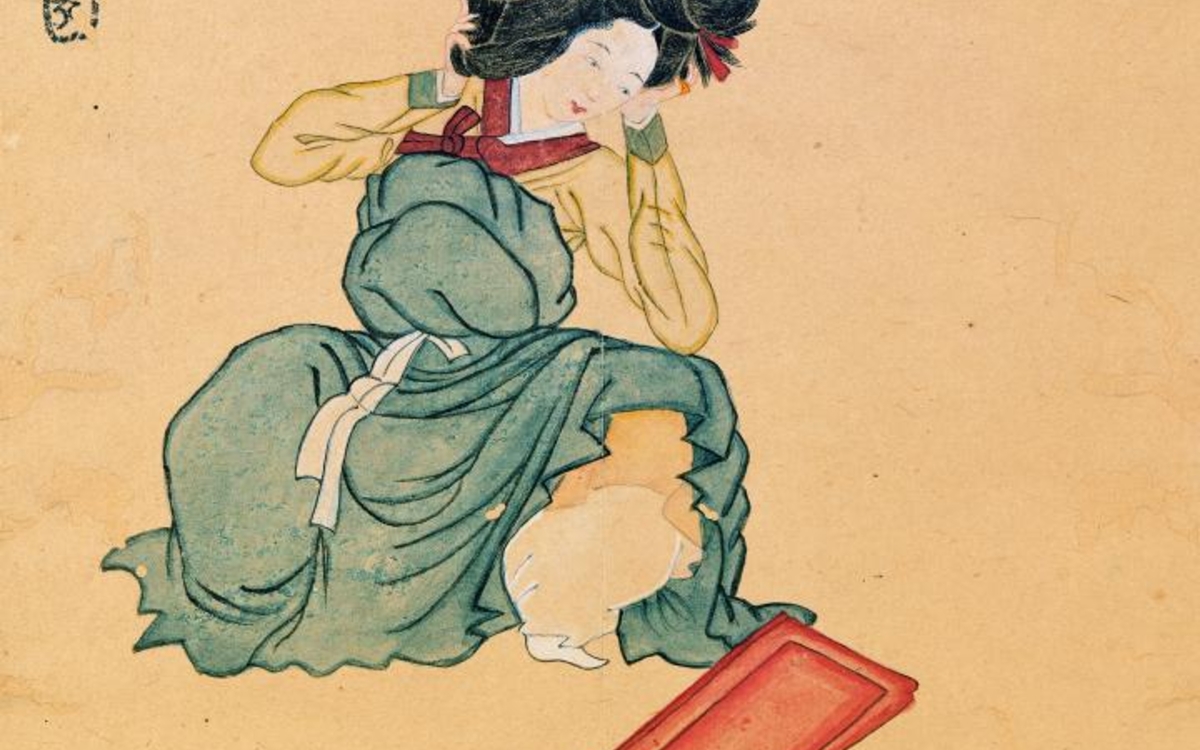
At the end of the 18th century, Korea, dominated by the neo-Confucianist movement, celebrated a particular feminine aesthetic: flowing clothing, pale skin, makeup and refined hairstyles. The painters who immortalize these beauties, including Shin Yun-bok, participate in the development of a visual heritage that has a lasting influence on Korean popular culture. This refined culture, where cosmetics draw on traditional pharmacopoeia, links beauty, harmony and inner balance.
Marked by successive foreign dominations and influences, the 20th century in Korea saw the emergence of new aesthetic codes. Photography, cinema and the emerging cosmetics industry spread and anchor these new standards while the “Korean economic miracle” puts heritage, art and cosmetics at the heart of cultural discourse.
From the 2000s, Hallyu (the Korean wave) established South Korean soft power: K-Beauty, mixing tradition and innovation, marked cinema, fashion, literature but also K-Pop, and conquered the entire world.
Through this exhibition, visitors will discover how a specifically Korean aesthetic was consolidated, certain canons of which - forged since the late Joseon kingdom (1392-1910) - have retained their appeal until today and have been the subject of homage and numerous rereadings. “K-Beauty” highlights the evolution but also the sustainability of the concept of Korean beauty, from the second half of the 18th century to the contemporary globalized world.