Exhibition guide
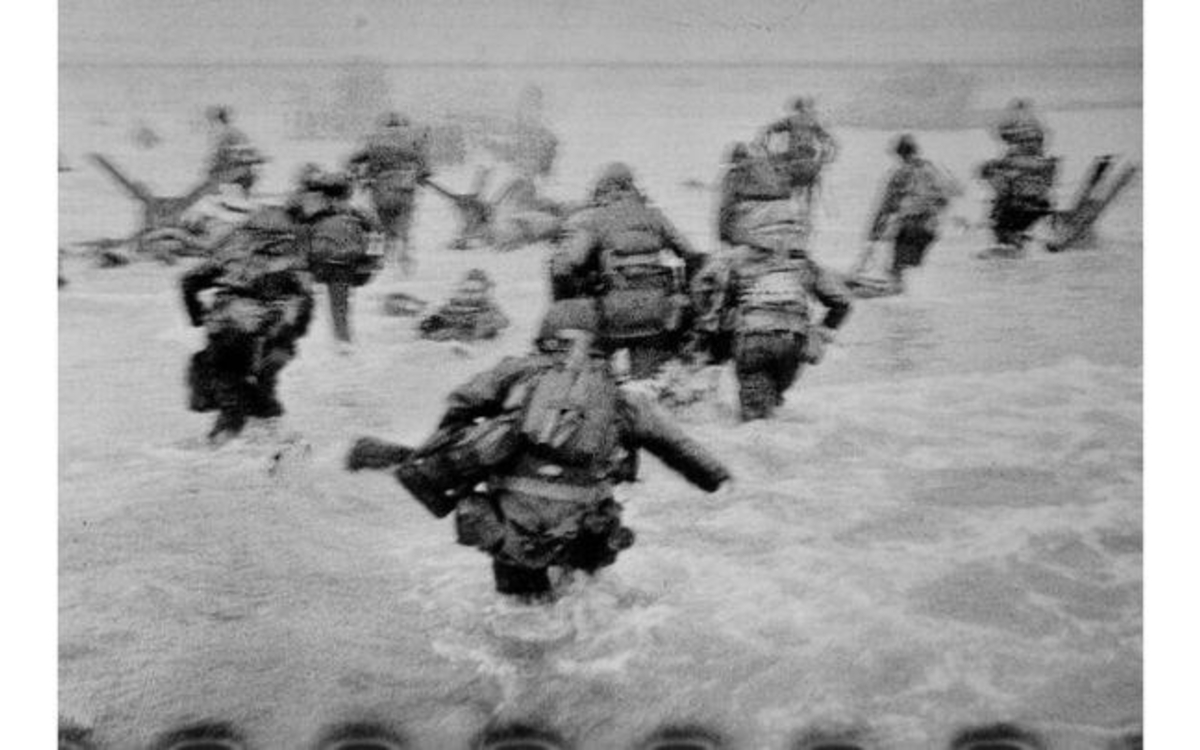
Robert Capa invented a style: the war photographer, the eye riveted to the lens, the scoop always in mind. As a committed witness, his gaze has long marked the history of photojournalism and shaped the new figure of the war photographer.
Visit details
- Dates: From Wednesday 18 February 2026 to Sunday 20 December 2026: Tuesday, Wednesday, Thursday, Friday, Saturday, Sunday from 10:00 am to 18:00 pm
- Venue: Musée de la Libération de Paris - Musée du général Leclerc - Musée Jean Moulin, 4 avenue du colonel Henri Rol-Tanguy, PARIS
- Price: De 0 à 11 euros.
- Audience: All audiences
- Source: Event page
About the exhibition
The Musée de la Libération de Paris - musée du général Leclerc - musée Jean Moulin offers, with the exceptional collaboration of Magnum Photos, a contextualised rereading of his work. More than sixty press releases are presented alongside magazines, books, documents and personal items. Together, these one hundred and sixty pieces trace the journey of a young Hungarian immigrant who has become an icon of modern photography.
The "Capa style", this direct and immersive way of photographing war, has profoundly influenced the profession, always exposed to the dangers of the terrain. In 2024, according to Reporters Without Borders, fifty-four journalists have lost their lives in the course of their mission, mostly in conflict zones.
By presenting Robert Capa's work, the exhibition offers a historical look at an ever-present reality: the risk to be taken to account for the war.
Robert Capa is THE legendary war photographer. He invented the model: necessarily American, casual and seductive, drinker and player, ready to risk his life to take the iconic photograph. This is for the mythical side of the character and the existence he had chosen.
This representation masks yet another story: that of a Hungarian exile in Paris in the inter-war period, which reinvented itself in Robert Capa, a remarkable war photographer. Capa refined the profession, anxious to produce clichés that could be broadcast by the press, as shown by the prints and magazines presented. Looking beyond the romanesque, questioning his journey and his images makes it possible to approach his life, his commitments and above all to understand why, almost a century later, his photographs remain legendary.