Exhibition guide
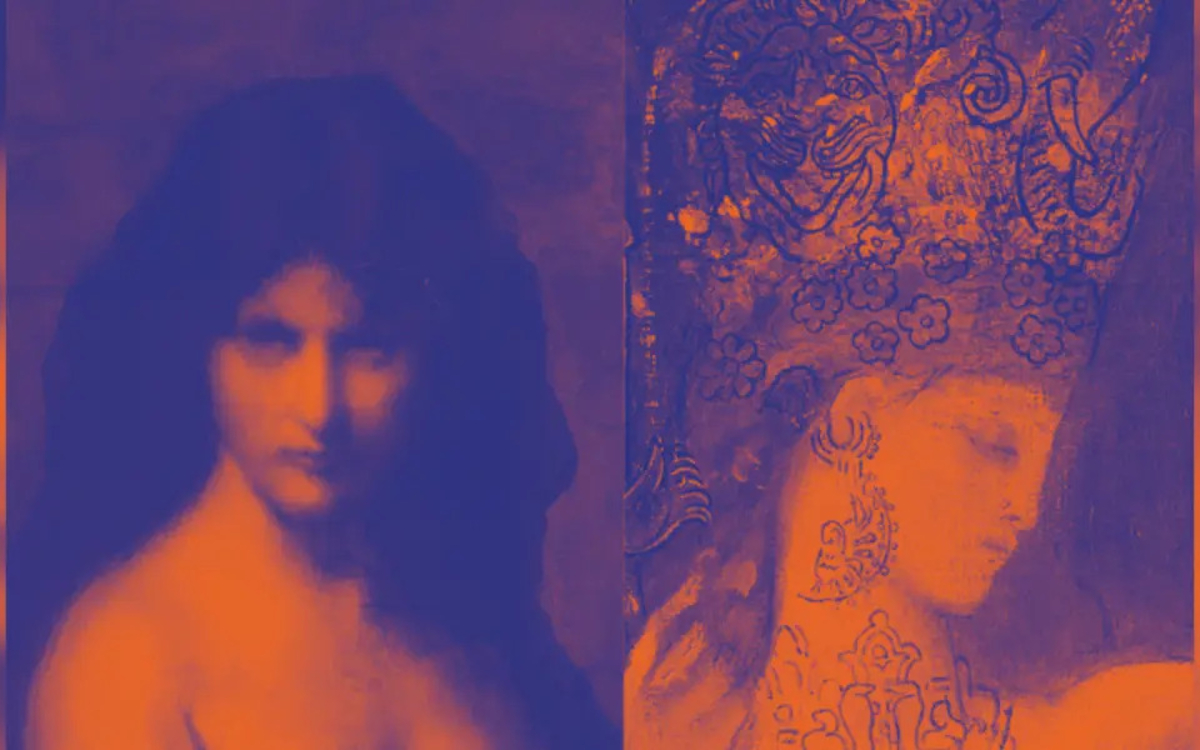
Sometimes sensual, sometimes ingenuous, the biblical heroine Salomé has continued to fascinate artists since the Renaissance. Among them: Jean-Jacques Henner and Gustave Moreau. The Salomé exhibition. Henner and Moreau face the myth presents around thirty works created by the two painters around this captivating female figure. Preparatory drawings, sketches, paintings... including the last Salomé by Henner, acquired by the Public Establishment in 2024, are in dialogue at the Jean-Jacques Henner national museum (Paris 17th) from February 18 to June 22, 2026.
Visit details
- Dates: From Wednesday February 18, 2026 to Monday June 22, 2026: Monday, Wednesday, Thursday, Friday, Saturday, Sunday from 11:00 a.m. to 6:00 p.m.
- Venue: Musée Jean-Jacques Henner, 43, avenue de Villiers, Paris
- Price: De 0 à 8 euros.
- Audience: Tout public.
- Source: Event page
About the exhibition
Without sets or accessories, it offers the public a palpable vision of a representation of the female body, a theme dear to the artist throughout his career. Henner and Moreau face the myth (continued) The exhibition occupies two spaces of the Jean-Jacques Henner museum. The subject occupies a less important place than for Moreau in his production, but still comes up regularly. The painters brought together for the first time “This is the first time that an exhibition brings together the works of Jean-Jacques Henner and Gustave Moreau. One part is devoted to paintings while the second is dedicated to graphic arts. The myth of Salomé fascinated and inspired many painters, sculptors, writers and musicians, particularly at the end of the 19th century.
For Gustave Moreau, she was an obsession. We find in particular large format drawings by Gustave Moreau as well as Henner's sketchbooks.
Participatory acquisition of a Salomé by the Henner museum This will allow us to realize that they have a completely different treatment of the subject,” explains Maëva Abillard, chief curator of the Jean-Jacques Henner museum. Over the course of twenty years, he created dozens of variations focusing on the evocation of the famous dance (see insert). “Over the years, Henner will represent his Salome simply with the dish, without the head of Saint John the Baptist, a fairly radical representation. Salomé, princess covered in jewels, takes place in richly decorated palaces... In certain paintings he uses techniques so detailed that one would say they were "tattooed".
Jean-Jacques Henner, for his part, focuses on the episode where Salomé holds a silver tray containing the head of the Baptist. Whereas at Moreau, on the contrary, there is a riot of decorations with lots of accessories, ornaments…” Salomé.