Exhibition guide
This is the first exhibition to explore a little-known history: that of Muslims and Christians enslaved on both sides of the Mediterranean for more than three centuries. Discover the impact of this history on material cultures in Europe through a wide range of astonishing and rarely exhibited artworks.
Visit details
- Dates: Du mardi 31 mars 2026 au dimanche 19 juillet 2026 :
- Venue: L'Institut du Monde Arabe, 1, rue des Fossés-Saint-Bernard, 75005, Paris
- Price: free
- Audience: Tout public.
- Source: Event page
About the exhibition
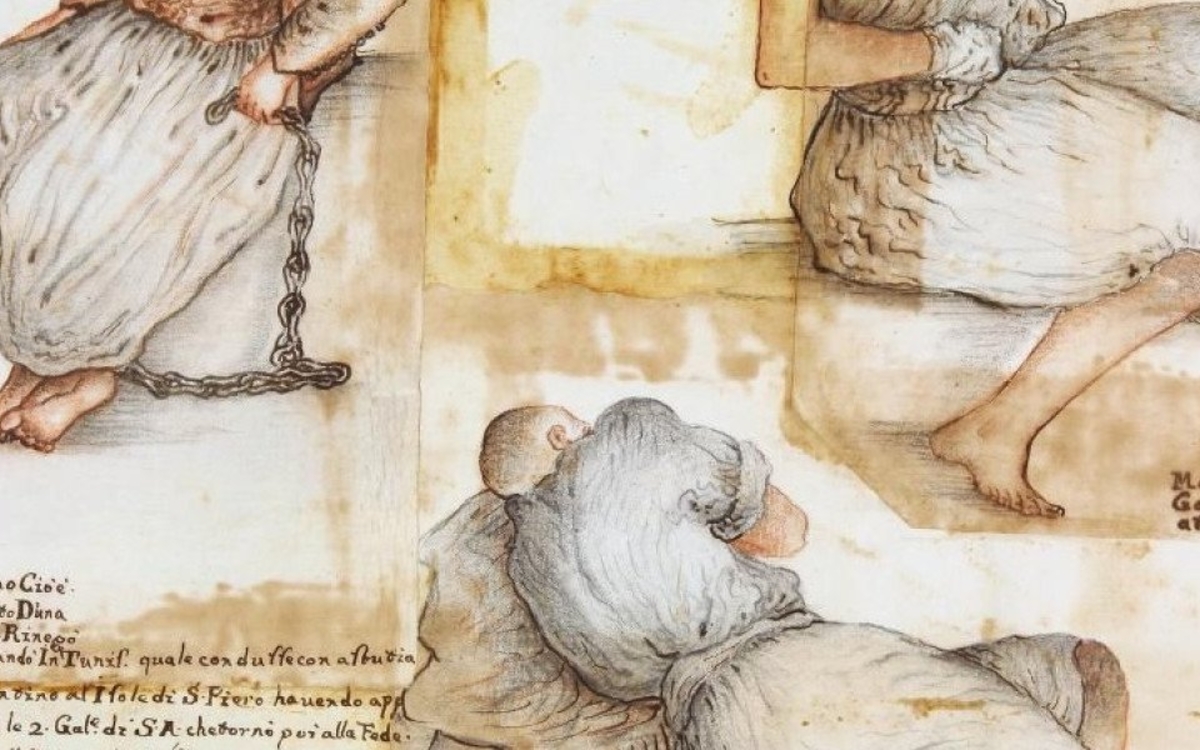
This is the first exhibition to explore a little-known history: that of Muslims and Christians enslaved on both sides of the Mediterranean for more than three centuries. Discover the impact of this history on material cultures in Europe through a wide range of astonishing and rarely exhibited artworks. The exhibitionSlaves in the Mediterranean. 17th-18th centuriesis particularly interested in the presence and often forgotten testimonies of North Africans and certain West Africans enslaved in Europe. Centered on the ports of France, Italy and the island of Malta from the 17th century to the 1830s, it highlights the experiences and representations of these human beings forced to work as galley slaves, servants, translators, musicians and artists' assistants. It reveals the profound impact of this story on material cultures in Europe by presenting a wide range of astonishing and rarely exhibited works of art: a life drawing of a Muslim slave by Louis XIV's chief painter, Charles Lebrun; artwork depicting or inspired by Pietro Tacca's iconic monument known as "Quattro Mori"; paintings depicting the suppression of a slave revolt in Malta in 1749; an album of exceptional drawings by Fabroni representing galley slaves at work and at rest; and other notable objects such as maritime weapons, ship sculptures, talismans and letters written by Muslim and Christian captives, which will be read aloud. Finally, a contemporary work of art will open perspectives on what has become of this long history: from its oblivion after the capture of Algiers by French troops in 1830 to contemporary debates on works of art which represented slavery, including the Quattro Mori.