Exhibition guide
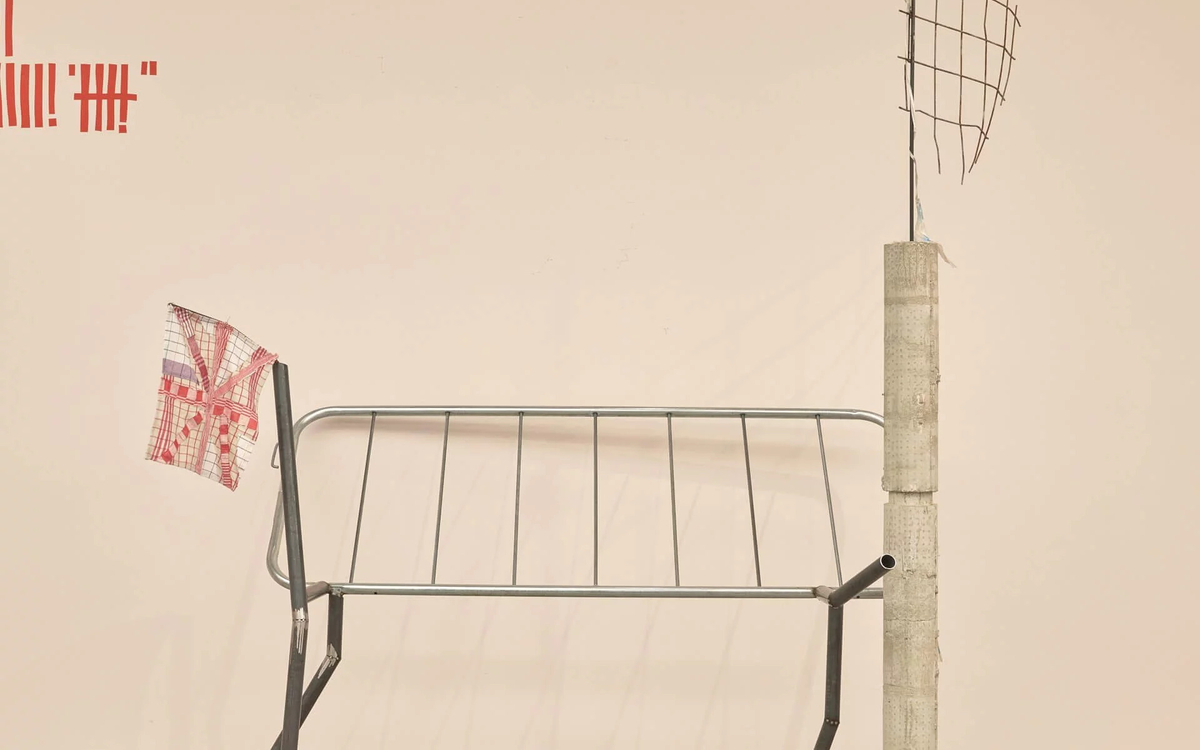
Through gestures that are at once simple, minimal and spectacular, the sculptures and installations of Jesse Darling (winner of the Turner Prize in 2023) reveal the clandestine stories that haunt the objects, materials, forms that populate our daily lives. Working primarily with industrial materials, used objects or scraps taken from around the places where he exhibits, he assembles them into unusual compositions, hybrid relics or fantastic landscapes, accentuating the marks of time on their physical state, between exhaustion and degradation, as if to underline their fragility and precariousness.
Visit details
- Dates: From Friday April 3, 2026 to Sunday September 13, 2026: Monday, Wednesday, Thursday, Friday, Saturday, Sunday from 12:00 p.m. to 9:00 p.m.
- Venue: Palais de Tokyo, 13 Avenue du Président Wilson, Paris
- Price: De 0 à 13 euros.
- Audience: All audiences
- Source: Event page
About the exhibition
His new production, designed for the large Verrière of the Palais de Tokyo, invites you to enter an impressive landscape of posters and advertising signs rendered illegible, and populated by a ghostly crowd of speech desks topped with flags fluttering alternately in the wind. Here, these symbols of power are altered, erased, rendered inaudible, as if seized in an ongoing degradation or derealization.
Tinged with a form of critical melancholy, this work connects us with the moving precariousness of the materialities that surround us, but also that of the systems of production, consumption and domination that made them possible. This poetic recycling of reality is akin to disarmament, which temporarily puts violence at bay to better neutralize it.
The title of the work, in reference to a painting by Hans Holbein the Younger, is an allusion to the vanities of the Renaissance, which represented allegorically the fragility of human life and the conceit of signs of power, culture and progress. In the same way, these material fossils, eaten away by History, tell of the fatigue of dominant narratives challenged by the necessary renewal of values in a damaged world. It is through useful disorder, in the literal sense of “undoing an order”, that he offers resistance to the norms of a productivist world.