Exhibition guide
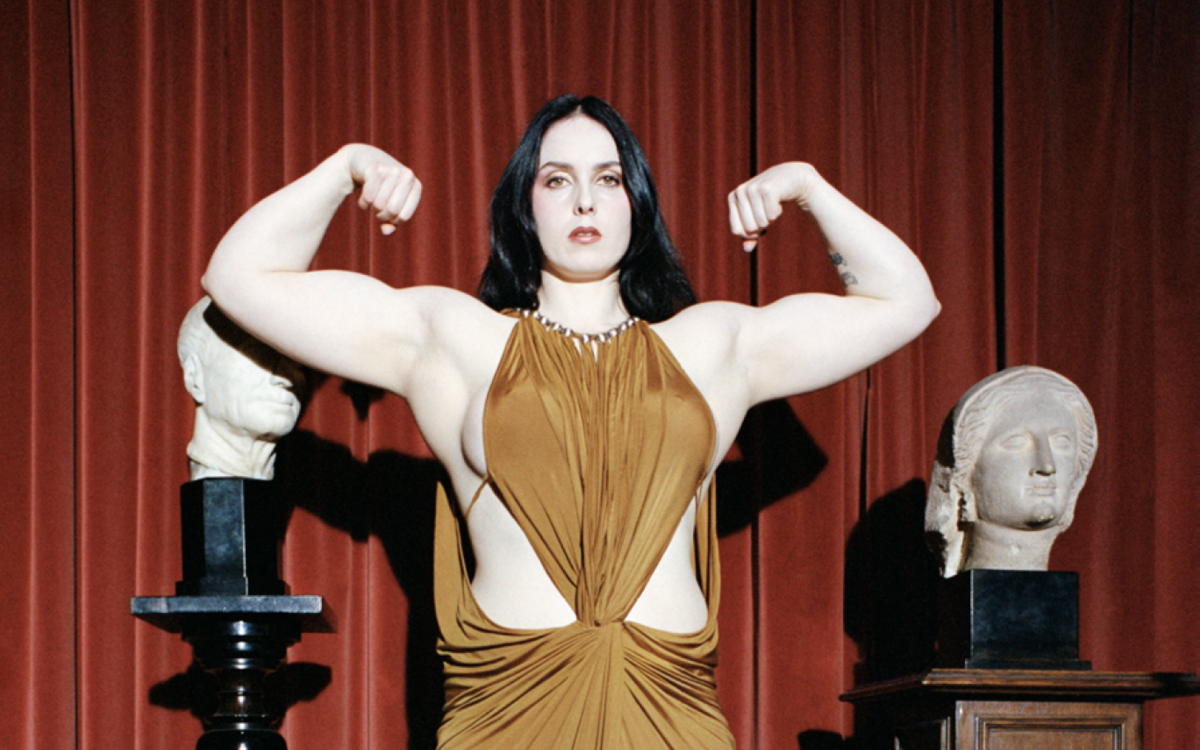
From June 10 to September 13, 2026, the MEP presents the first retrospective dedicated to the French artist Camille Vivier, a figure in contemporary photography. Through a set of works where bodies, sculptural forms and disturbing presences interact, a universe that is both sensual and enigmatic unfolds, crossed by multiple references and unexpected visual echoes. Camille Vivier's female figures fascinate as much as they destabilize, asserting all the power and complexity of their identities.
Visit details
- Dates: From Wednesday June 10, 2026 to Sunday September 13, 2026:
- Venue: Maison Européenne de la Photographie, 5 rue de fourcy, Paris
- Price: De 0 à 14 euros.
- Audience: All audiences
- Source: Event page
About the exhibition
Fascinated by the figures of powerful women from the fine arts, pop culture and underground scenes, she also draws on literature, comics and the first Hollywood icons. Photography becomes the place of unprecedented connections, where a sometimes worrying tension sets in between human bodies and shaped bodies, between matter and flesh, between that which breathes and that which retains its form.
The exhibition traces the entire artistic career of Camille Vivier
through a thematic journey bringing together around ten series and nearly a hundred works: gelatin silver and digital prints, Polaroids, as well as works designed especially for His models assert their presence forcefully. the exhibition, some of which play with scale and presentation devices.
For more than twenty-five years, Camille Vivier (1977, France) has developed a practice located at the crossroads of author photography and fashion photography. The extraordinary bodies of female bodybuilders – Sophie, Tjiki, Deborah – constitute a privileged area of exploration. His work, centered on the body and still life, dialogues with commissions carried out for major magazines. Through them, the artist engages in a reflection on the plurality of femininities, where the construction of the body and that of identity resonate with the work of sculpture.
In enigmatic settings, these figures dialogue with anthropomorphic objects chosen for their aesthetic as much as for their symbolic charge: monumental sculptures in public space, votive candles, modernist puppets or biomechanical decors designed by H.R. Giger for From these two sides a singular visual language is born, where sensuality, mystery and poetry intertwine to question the relationship between the living and the inanimate.
At the heart of her practice, female representation, and more particularly the nude, is deployed drawing on numerous cultural references. Alien(1979) by Ridley Scott.